In a recent article, Google stated that since January it has seen a 350% increase in phishing attacks, and they saw more than 18 million daily malware and phishing emails related to COVID-19 scams just in the past week. That’s on top of the more than 240 million daily spam messages it sees related to the novel coronavirus.
The best course of action, is to proactively protect your organization from being attacked successfully. Making certain of that is a complex problem that is specific to each company, but we have created some quick tips to help you remember how to keep cybercriminals out of your IT operation.
10 Tips to Keep Cybercriminals Out
- Get the Facts. Stay away from the rumor mill and use information from reliable sources to make business decisions in chaotic times.
- Think Twice before Clicking Links. Make sure staffers are on the lookout for suspicious links that can lead to ransomware.
- Be Suspicious of Unexpected Attachments. Ensure users only open attachments from proven, trusted sources no matter how “official” that attachment looks.
- Automate Compliance. Have one less thing to worry about by choosing a dynamic web portal system that keeps track of everything.
- Protect those Passwords. Encourage safe password practices like using a password manager and not writing them on sticky notes.
- Beware of Strange Networks. Make staffers aware of the dangers of logging in from insecure public and home WiFi networks andhow to use them safely.
- Use Two-factor Authentication. An extra layer of security keeps passwords and data safe.
- Keep an Eye on the Bad Guys. Monitor the Dark Web to watch for company data so a problem can be addressed before it becomes a crisis.
- Stay Current on Threats. Work with a responsive partner that’s on top of today’s challenges.
- Ask for Help. Consult a security expert to plan effective strategies and get innovative solutions.

So, while we seek continued improvements in our collective situations both professional and personal, continue to keep your guard up against ransomware and malicious attacks on your IT operation.
If you would like to learn more about how Montra can help you with these or other security threats, please contact us at info@montra.io.
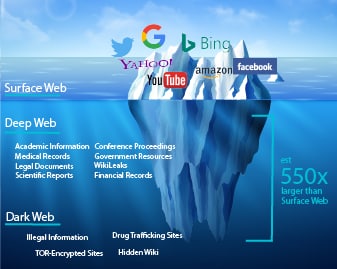 Many estimate that the Dark Web is 550 times larger than the Surface Web and growing. It’s actually difficult to know for sure how big the Dark Web is. The Dark Web operates differently than the Internet we see every day, or “Surface Web.” Users on the Dark Web use secure browsers, such as Tor, that render their identity and location untraceable. This is accomplished by routing web page requests through numerous proxy servers around the globe which makes IP addresses unidentifiable. The ability to operate anonymously makes the Dark Web an ideal marketplace for stolen data and illegal activity. Experts estimate that as much as 50% of the data on the Dark Web is illegal or illicit material. In short, it is the last place you want to find your company’s sensitive data. Unfortunately, digital credentials are among the most valuable assets on the Dark Web. An article by