Montra Technologies Receives 2025 Future of Work Employee Experience Achievement Award
Via Workforce Manager recognized for advancing the modern workplace through employee-first innovation
ATLANTA, GEORGIA, (January 3, 2026) — Montra® Technologies announced today that TMC, a global, integrated media company, has named Via Workforce Manager as a recipient of a 2025 Future of Work Employee Experience Achievement Award.
Via Workforce Manager is a unified identity and device lifecycle management (UIDLM) platform designed for mid-market IT and managed service providers. Via automates onboarding, offboarding, SaaS access, device management, and logistics in a single system which eliminates information silos between systems for identity, applications, and assets.
“This recognition reinforces our belief that employee experience and security should never be at odds,” said Scott Ryan, CEO at Montra. “With Via, we’re helping HR eliminate the friction of identity and access setup so employees can be productive on day one, while IT maintains control, security, and compliance. We’re honored to be recognized for advancing the future of work.”
“It is my pleasure to recognize Montra with a 2025 Future of Work Employee Experience Achievement Award for its commitment to customer service by focusing on employee-first innovations,” said Rich Tehrani, CEO, TMC. “In the opinion of our judges and editorial team, Montra has proven that a focus on their valued Team Members is driving better business results,” added Tehrani.
The winners of the 2025 Future of Work Employee Experience Achievement Awards will be featured on TMCnet.
For more information about TMC, please visit www.tmcnet.com.
About Montra Technologies Montra Technologies is a managed IT services and solutions company delivering secure, scalable technology operations for modern organizations. From identity and access management to device lifecycle management, SaaS governance, security, and compliance, Montra simplifies IT so businesses can focus on growth.
Montra combines decades of enterprise IT expertise with modern, intelligent automation to reduce risk, improve security, and enhance the experience with technology across modern workforces. Learn more at www.montra.io and follow us on LinkedIn and X.
About TMC For more than two decades, TMC has honored technology companies with awards in multiple categories — each among the most respected recognitions in the communications and technology industries. Winners represent leading organizations advancing innovation and driving growth across their markets. Every recipient is a verified leader, setting the benchmark for excellence in their field.
In addition, TMC provides global buyers with valuable insights to make informed tech decisions through our editorial platforms, live events, webinars, and online advertising. Leading vendors trust TMC, thought leadership, and our events for branding, thought leadership, and lead generation. Our live events, like the ITEXPO #TECHSUPERSHOW, deliver unmatched visibility, while our custom lead generation programs and webinars ensure a steady flow of sales opportunities. Display ads on trusted sites generate millions of impressions, boosting brand reputations. TMC offers a complete 360-degree marketing solution, from event management to content creation, driving SEO, branding, and marketing success. Learn more at www.tmcnet.com and follow @tmcnet on Facebook, LinkedIn, and X.
In the dynamic realm of organizational onboarding, anything that improves the new hire experience reigns supreme. Discover how embracing advanced IT onboarding solutions can mitigate common onboarding challenges, paving the way for seamless integration of new employees into the workforce.
Uncovering Onboarding Obstacles
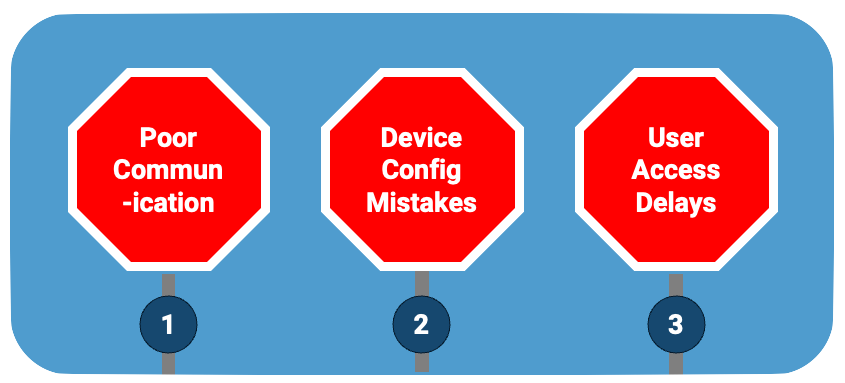
There are three common IT obstacles that all companies face when trying to optimize the onboarding experience of their new hires. Overcoming these hurdles should be a key goal for all HR and IT organizations.
1. Communication Gaps Between HR and IT Departments
One of the primary hurdles faced during onboarding is the disconnect between HR and IT departments. HR is often caught up in all of the legal and compliance requirements for onboarding a new team member and does not notify IT until the last minute about a new hire. This lack of communication often leads to delays in device setup and access provisioning, hindering new hires from swiftly becoming productive to their roles.
Picture a scenario where a new employee eagerly starts their first day working from their home office, only to find their email and application accounts non-existent, and no device delivered for their work. Basic miscommunication between HR and IT leaves them feeling unimportant to the company while valuable time is lost in the onboarding process.
2. Mistake-prone Device Procurement and Provisioning
Device procurement and provisioning tends to be a mistake-prone process and therefore stands as another impediment to efficient onboarding. Lengthy lead times for hardware procurement add risk to any mistakes being made, and the constant change on hardware models and availability make it difficult to order correctly. Additionally, provisioning of devices is often filled with mistakes in the software that is loaded as well and the account that is setup for the device.
We have all seen the situation where a newly hired person awaits hours or days for an outdated device to be configured on their first day. This delay not only frustrates the employee but also sets a suboptimal tone for their journey within the organization.
3. Slow Access Granting to SaaS Applications
Restricted access to crucial SaaS applications adds complexity to the onboarding experience. It is very common that new hires go weeks without access to some applications due to broken processes that could streamline the the granting of user access. Without immediate provisioning of necessary tools, new team members struggle to engage fully with their responsibilities, hampering overall productivity.
How often have you seen it where a new team member has no idea what is happening because this are not receiving communication or updates within critical business applications. They often find out negatively that they have missed a deadline or update in their first few weeks by no fault of their own. It can be frustrating and de-motivating for a new hire when they are just getting started in their new role.
Flattening Obstacles with a Modern Solution
Modern IT onboarding solutions offer a paradigm shift in onboarding processes by automating and expediting critical workflows. The right solution can break down the obstacles to great IT onboarding with an integrative approach that drastically reduces setup timelines, ensuring workers are functional immediately.
1. Connect HR and IT
All companies have at least two systems of record for workforce identity - the HRIS which is run by HR and the Identity Provider, which is run by IT. Connecting these systems together is critical to better HR-IT communication. The systems should be connected both in workflow automation like onboarding and offboarding of workers, as well and the data that is stored in those systems like address, emails, and phone numbers.
Connecting HR and IT systems and processes is nuanced and must be implemented well. For instance, if all sales team members are supposed to have access to the CRM, then HR and IT must be in lockstep about what departments are considered sales especially during org changes and restructurings.
2. Automate Procurement and Provisioning
With automation, organizations can minimize human errors and ensure that new hires have the necessary equipment and access from Day One. This entails leveraging technology to streamline device ordering, setup, and delivery.Best practices for procurement may include maintaining an inventory of pre-configured devices ready for deployment, significantly reducing the lead times for new hires.
Furthermore, automation in provisioning allows IT departments to seamlessly install required software, security protocols, and configurations ahead of time. Best practices also involve creating standard setups for various roles within the company customized to the specific needs and job functions of each worker. Auto-provisioning should also include automatic updates and patches to software, ensuring that all devices remain secure and up to date.
Automated application account provisioning should be based on user information such as title, department, location, and employment type. Provisioning in this way is a significant leap forward in operational efficiency. This approach leverages predefined roles and permissions templates that align with specific job functions within an organization. For instance, an employee with a VP title in the marketing department can automatically determine their access to the budgeting system as well as the CRM they need from Day One. This method not only accelerates the onboarding process but also minimizes the risk of human error in granting access to sensitive company resources.
Furthermore, automation can adapt to the dynamic nature of modern workplaces, where remote work and flexible office locations are becoming the norm. By incorporating location and employment type into the provisioning process, IT departments can ensure that employees have access to location-specific groups and applications, while also making certain that remote contractors, for instance, do not have access sensitive data that cannot cross international boundaries. Through automating SaaS application account provisioning, companies can achieve a more secure, efficient, and adaptable IT infrastructure that supports their evolving needs.
Elevating Onboarding Experiences
In conclusion, the adoption of an advanced IT onboarding solution is a significant stride towards optimizing the IT onboarding process for any organization. By addressing communication gaps, expediting device setups, and templating application access, organizations can provide a seamless onboarding journey that empowers new hires to excel from day one. Embracing modern IT onboarding isn't just about operational efficiency—it's about fostering a culture of innovation, agility, and success in the ever-evolving organizational landscape.
Montra, an Atlanta-based IT management company, helps growing companies solve exactly these three problems with Via — our platform that connects directly to your HRIS and automates onboarding from day one.
About the Author
Scott Ryan is a seasoned executive with over 25 years in the IT infrastructure and media technology industries. His experience spans across entrepreneurship, leadership, and strategic planning, having led or assisted in leading the successful exit of multiple companies. Scott is a frequent speaker and panelist at industry events, investment conferences and podcasts. He lives in Atlanta with his wife and two children.
About Montra Technologies
Montra Technologies is the innovator of identity and device management solutions for modern IT management. Modern IT management puts identity at the center of security and provisioning for all services and devices being used by employees. Montra’s platform is directly integrated with a company’s current HR and IT software for seamless, automated management of people and devices, regardless of location. Montra is trusted by some of the world’s most recognizable brands which use Montra's innovative platform to improve the efficiency and security of their identity and device operations. The company was founded by industry experts with decades of technology leadership. Recognized by Channel Futures as an MSP to Watch and listed on the Inc. 5000, Montra is a Signature member of the ATDC at Georgia Tech.
Employee onboarding is a crucial process for any organization, and it's especially important for the information technology (IT) department. If done correctly, onboarding can help new employees feel comfortable and confident in their roles and increase retention rates. However, onboarding is often a lengthy and complex process, and without the proper tools and resources, it can be difficult to get new hires up to speed quickly. Fortunately, technology can help streamline the onboarding process and make it more efficient, effective, and enjoyable for everyone involved.
In this post, we'll explore how organizations can leverage technology to improve their IT onboarding process. Whether you're a CIO, COO, CHRO, or IT Director, you'll learn about the latest tools and strategies that can help you onboard new hires more effectively and quickly.
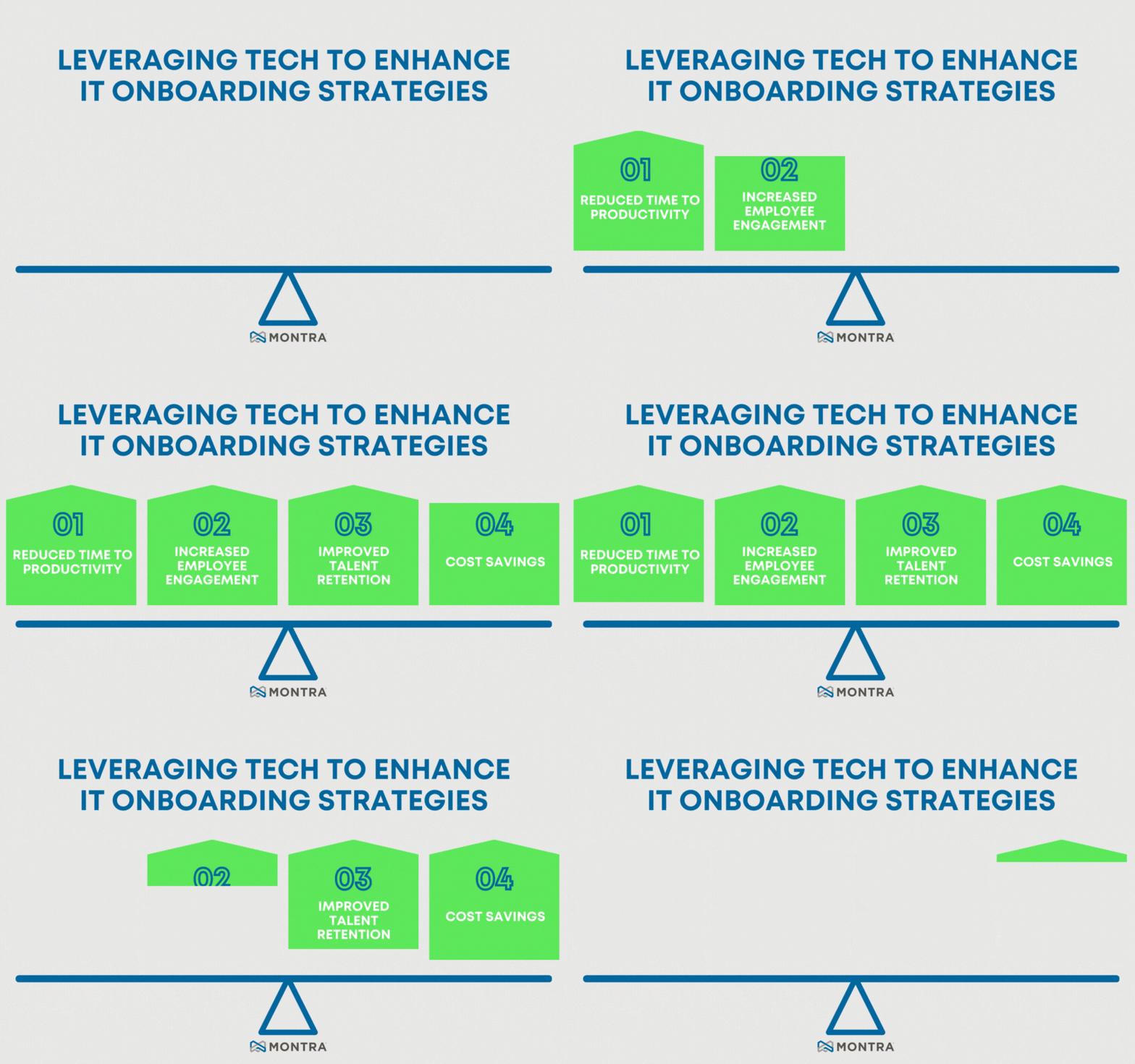
Applying better technology to the IT onboarding can improve the process in four distinct ways:
1. Reduced Time To Productivity
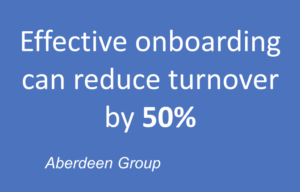
A study by Aberdeen Group found that an effective onboarding program can improve new hire time-to-productivity by 60% and reduce turnover by 50%. By using technology such as automation software and remote support, companies can speed up the onboarding process and get new employees up to speed faster.
2. Increased Employee Engagement
A study conducted by Glassdoor found that effective onboarding processes led to higher employee engagement levels, which in turn led to higher productivity and lower turnover rates. By directly connecting HR onboarding software to IT onboarding software, companies can create a faster and more effective onboarding experience for new employees.
3. Improved Talent Retention
According to the Society of Human Resource Management (SHRM), effective onboarding can improve new hire retention by up to 25%. By using technology to streamline the onboarding process, companies can reduce the risk of new employees feeling overwhelmed or frustrated, which can lead to a higher rate of retention.
4. Cost Savings
A survey by CareerBuilder found that the average cost of a bad hire is $14,900. By removing manual work through checklist and spreadsheets, companies can reduce the cost associated with the onboarding process. While no companies want to make a bad hire, reducing the costs associated with good hires or bad hires improves the company’s talent retention program overall
A tool that can help improve the IT onboarding process is automation software. Automation software can take over repetitive onboarding tasks such as provisioning new accounts, procuring new devices, configuring access to multiple SaaS applications, and assigning permissions to all those apps. By automating these tasks, companies can reduce errors and speed up the onboarding process, allowing new employees to become effective faster.
Montra is the innovator of "IT Management as a Service", and Montra’s platform provides automation to help improve the IT onboarding process. With Montra, organizations can develop standard onboarding profiles that automate account and group creation while providing a centralized view of the location and assignment of all a company’s devices. Montra has helped companies streamline their IT onboarding process from weeks to hours, reducing the time and effort required to get a new employee fully effective.
In conclusion, technology can help make the IT onboarding process more efficient and effective, reducing the time and effort required to set up new employees while improving their understanding and engagement with the company. By using tools such as Montra or other automation software, companies can streamline IT onboarding, reducing errors, and improving productivity while improving the satisfaction of new employees. Ultimately, improving the IT onboarding process can have significant benefits for the company, its employees, and the bottom line.
Websites store cookies to enhance functionality and personalise your experience. You can manage your preferences, but blocking some cookies may impact site performance and services.
Essential cookies enable basic functions and are necessary for the proper function of the website.
Name
Description
Duration
Cookie Preferences
This cookie is used to store the user's cookie consent preferences.
30 days
Google reCAPTCHA helps protect websites from spam and abuse by verifying user interactions through challenges.
Name
Description
Duration
_GRECAPTCHA
Google reCAPTCHA sets a necessary cookie (_GRECAPTCHA) when executed for the purpose of providing its risk analysis.
179 days
Google Tag Manager simplifies the management of marketing tags on your website without code changes.
Name
Description
Duration
cookiePreferences
Registers cookie preferences of a user
2 years
td
Registers statistical data on users' behaviour on the website. Used for internal analytics by the website operator.
session
Statistics cookies collect information anonymously. This information helps us understand how visitors use our website.
Google Analytics is a powerful tool that tracks and analyzes website traffic for informed marketing decisions.
Contains information related to marketing campaigns of the user. These are shared with Google AdWords / Google Ads when the Google Ads and Google Analytics accounts are linked together.
90 days
__utma
ID used to identify users and sessions
2 years after last activity
__utmt
Used to monitor number of Google Analytics server requests
10 minutes
__utmb
Used to distinguish new sessions and visits. This cookie is set when the GA.js javascript library is loaded and there is no existing __utmb cookie. The cookie is updated every time data is sent to the Google Analytics server.
30 minutes after last activity
__utmc
Used only with old Urchin versions of Google Analytics and not with GA.js. Was used to distinguish between new sessions and visits at the end of a session.
End of session (browser)
__utmz
Contains information about the traffic source or campaign that directed user to the website. The cookie is set when the GA.js javascript is loaded and updated when data is sent to the Google Anaytics server
6 months after last activity
__utmv
Contains custom information set by the web developer via the _setCustomVar method in Google Analytics. This cookie is updated every time new data is sent to the Google Analytics server.
2 years after last activity
__utmx
Used to determine whether a user is included in an A / B or Multivariate test.
18 months
_ga
ID used to identify users
2 years
_gali
Used by Google Analytics to determine which links on a page are being clicked
30 seconds
_ga_
ID used to identify users
2 years
_gid
ID used to identify users for 24 hours after last activity
24 hours
_gat
Used to monitor number of Google Analytics server requests when using Google Tag Manager